
When AI Describes Your Brand Incorrectly: Fixing Source, Entity and Content Gaps
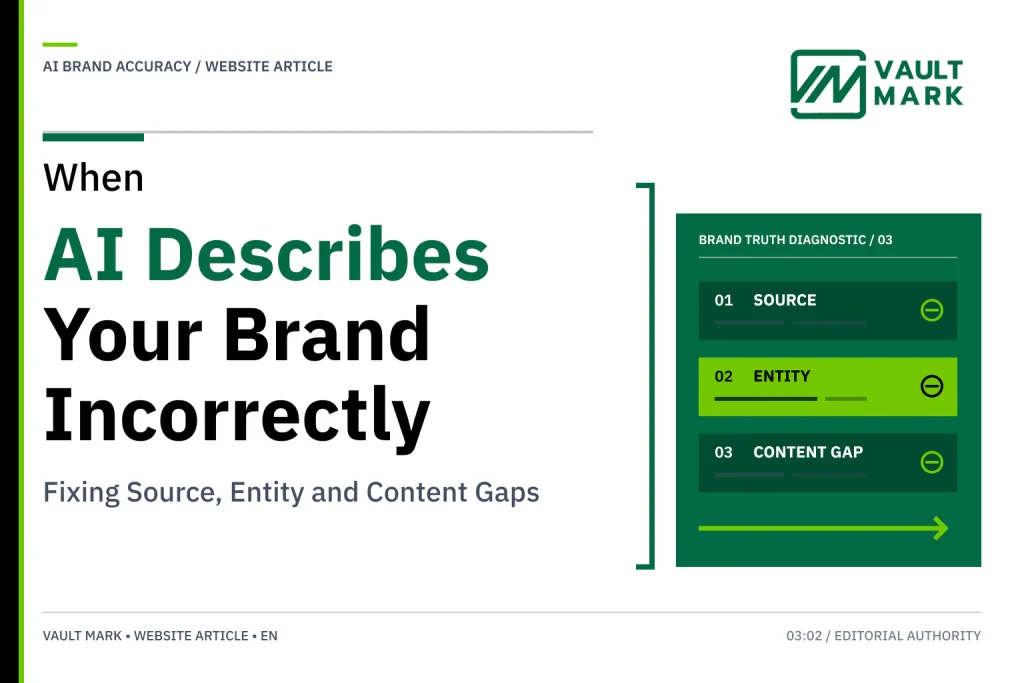
When an AI system describes a company incorrectly, the first job is not to edit every page. Capture the answer, approve one entity statement, identify the source or retrieval conflict, repair the highest-authority sources, and retest by platform and language. This guide provides the diagnostic matrix and limitations.
How Google AI Overviews Affect SEO in Thailand: 9 Checks Businesses Should Make
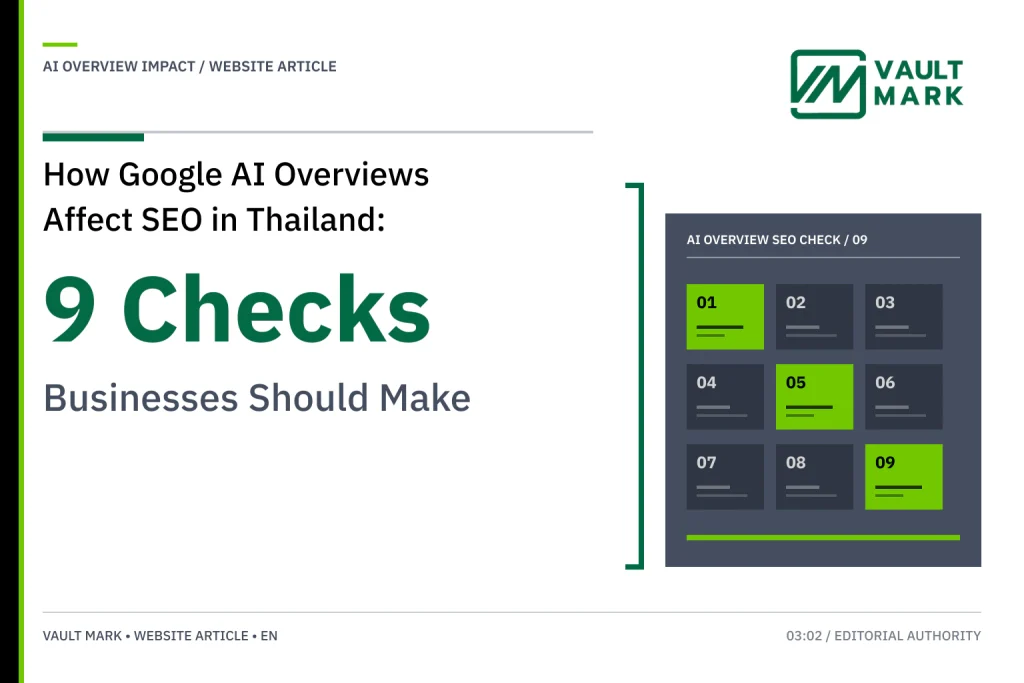
Google AI Overviews in Thailand do not make SEO obsolete, but they change what must be measured. This guide separates visibility, clicks and lead quality through a nine-check framework so businesses can identify the right fix before scaling SEO, AEO or GEO work.
GEO Asset Stack: Guides, Checklists, Cases and Data Notes for AI Citations
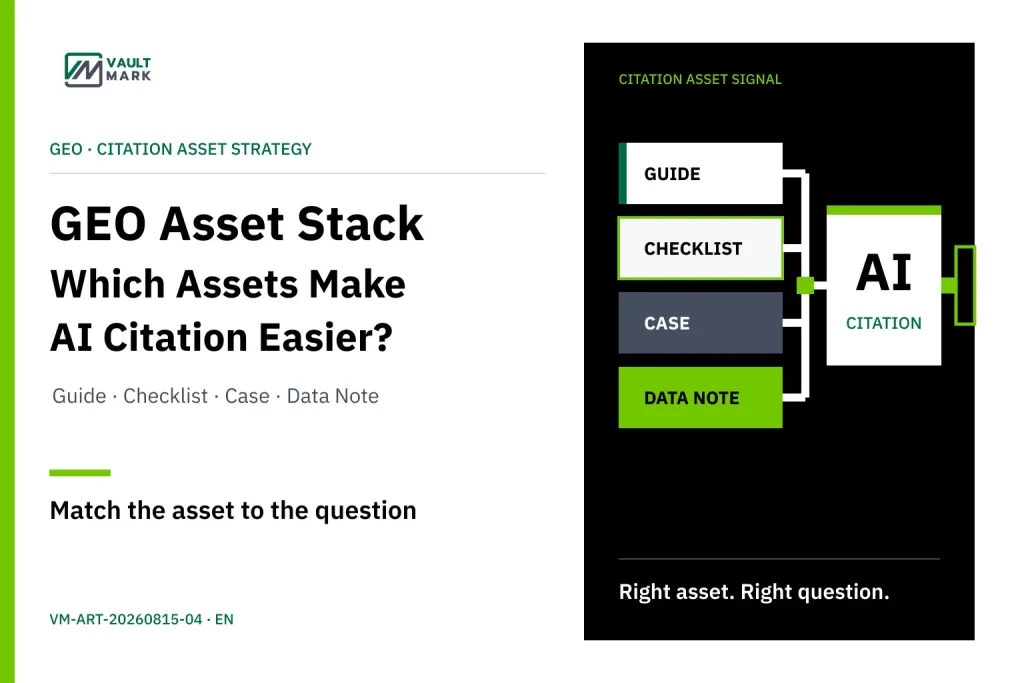
A GEO asset stack should start with the buyer question and defensible evidence, not a preferred file format. Use the selection matrix and 12-point readiness score to decide whether a guide, checklist, case evidence note or data note should come first.
Brand Entity for AI Search: Helping AI Understand Who Your Brand Is and Why It Matters
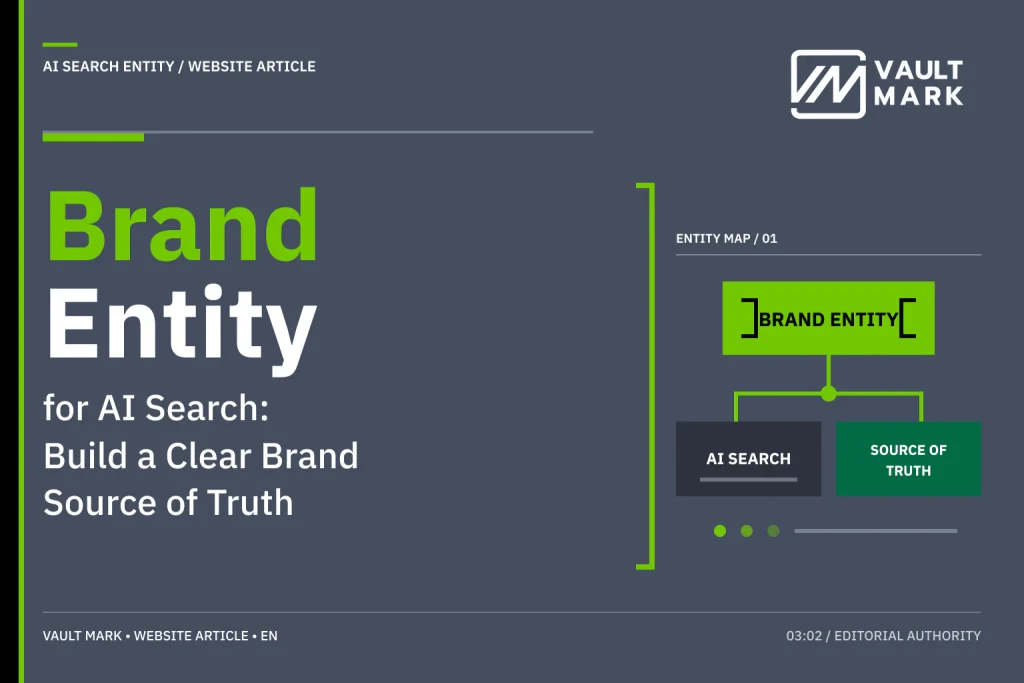
When a brand is described inconsistently by AI, the problem may be upstream source ambiguity. This guide shows how to build a brand entity source of truth, relationship map, structured data alignment, external corroboration and prompt baseline without promising AI citations.
SEO, AEO and GEO Timeline: Realistic Expectations for Thai Businesses
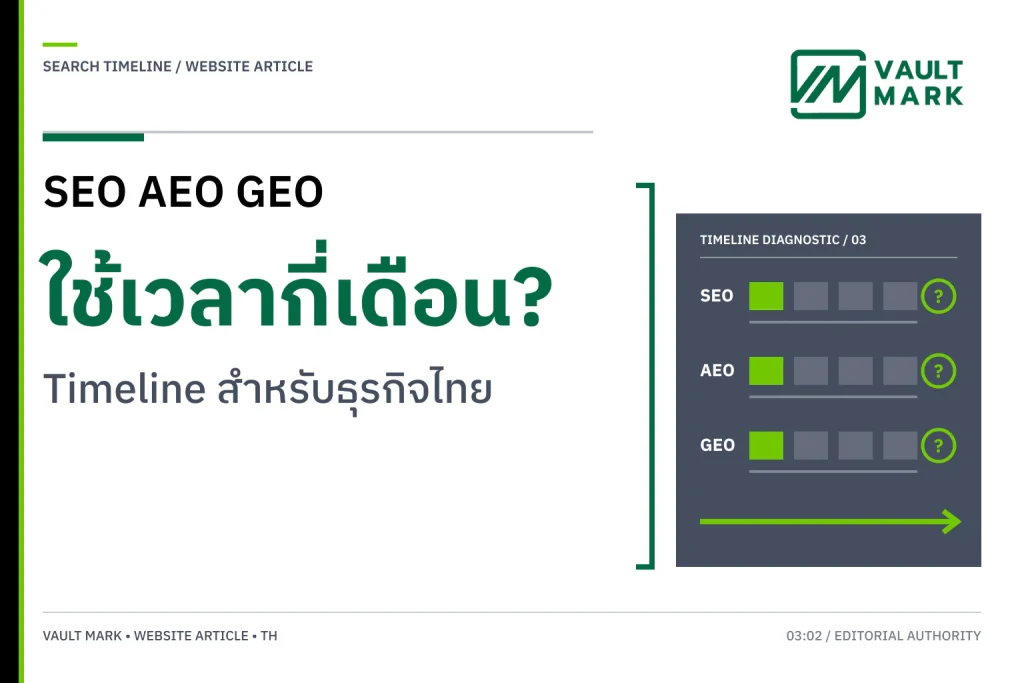
SEO, AEO and GEO do not share one reliable countdown. This guide uses six evidence stages and 30/90/180/365-day review windows to show what to inspect before judging results or accepting an agency promise.
How to Measure AI Citations: A Dashboard Linking Prompts, Pages, Leads and Revenue
AI citations should not be measured with screenshots or a single visibility score. This guide connects prompts, cited pages, GA4 behaviour, lead records and revenue outcomes through a five-layer evidence model.